
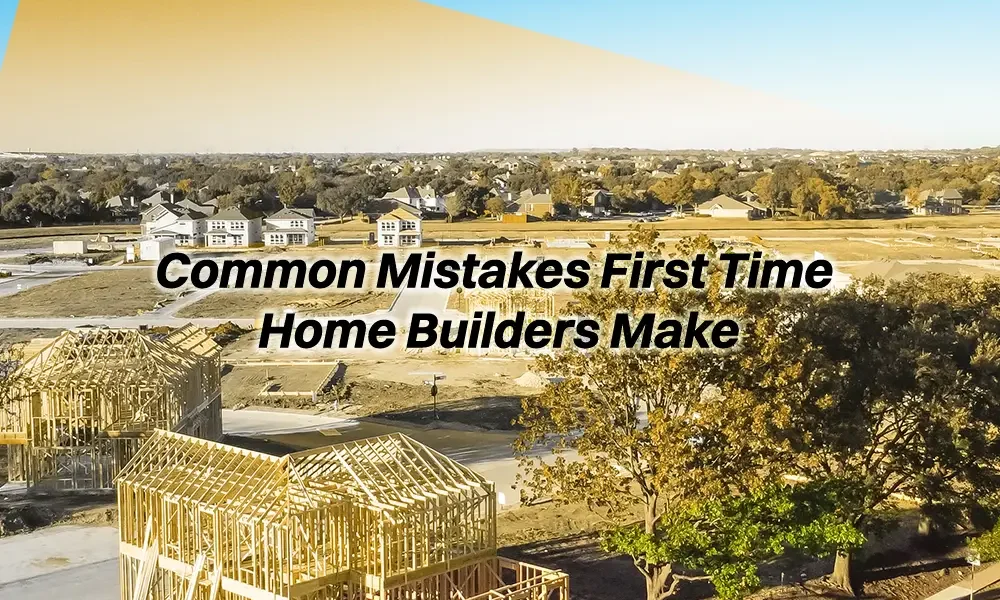
Becoming a homeowner is one of life’s most exciting milestones: but for many, it’s also one of the most overwhelming. Whether you’re dreaming of a minimalist retreat or a sprawling suburban escape, understanding the process is crucial. First time home builder tips are not just about picking the right paint colour or flooring; they’re about laying the foundation: literally and figuratively for a successful project.
Building a home from the ground up can be both thrilling and stressful. The difference between a dream home and a financial nightmare often lies in preparation and awareness. Many homeowners underestimate the complexity of the process, which can lead to delays, unexpected costs, and poor design decisions.
Before breaking ground, you’ll need to recognise that building your first home requires more than enthusiasm. It demands discipline, patience, and detailed planning. From zoning regulations to selecting the right contractor, each step comes with potential pitfalls.
This guide will walk you through the home building mistakes to avoid, giving you practical new construction guidance and actionable home building planning advice to ensure your project stays on track from start to finish.
Ignoring the Importance of Planning
One of the biggest mistakes first time builders make is rushing through the planning phase. A solid plan serves as the backbone of the entire project. Skipping details at this stage often leads to complications that can cost thousands later.
Before committing to construction, review your building a house checklist carefully. This includes everything from securing permits and choosing materials to finalising the design and budget. Skipping or underestimating any of these elements can quickly derail your project.
Key areas often overlooked in planning:
- Site preparation and soil testing
- Energy efficiency and insulation needs
- Long term maintenance considerations
- Accurate cost estimations and contingency funds
A well structured plan provides clarity for both you and your contractor. It ensures that your timeline, budget, and expectations align preventing misunderstandings and unexpected surprises.
Underestimating Costs and Budget Mismanagement
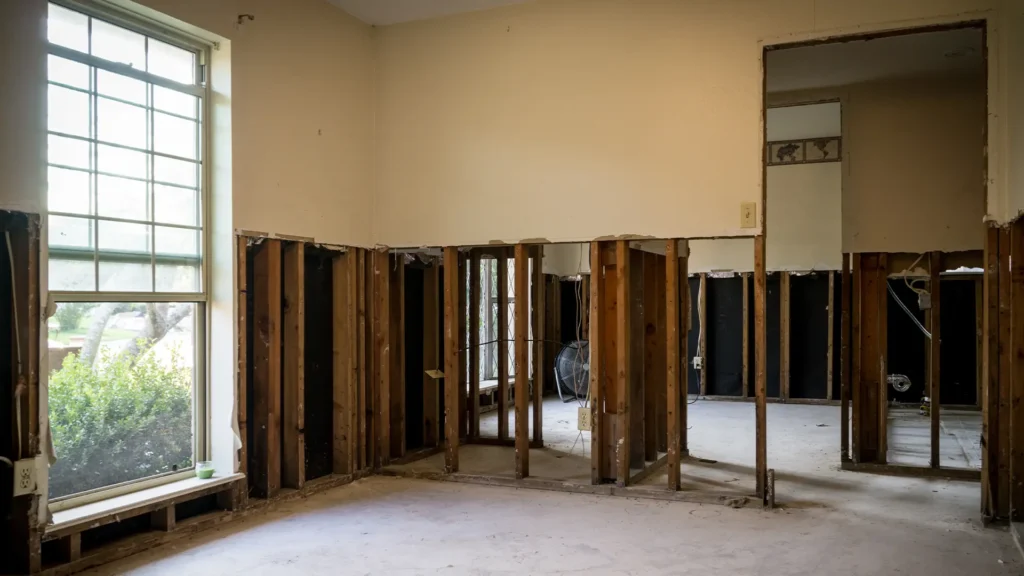
Even with the best intentions, many new homeowners find themselves over budget. Construction involves numerous hidden costs; land grading, utility connections, landscaping, and design modifications, just to name a few.
When applying first time home builder tips, it’s essential to build in a financial buffer. Professionals often recommend setting aside an additional 10–15% of your total budget to handle unexpected expenses.
Budget mismanagement is also tied to emotional decisions. Falling in love with premium materials or unnecessary upgrades can inflate costs without adding real value. Use professional home building planning advice to differentiate between what’s essential and what’s aesthetic.
Remember: smart spending doesn’t mean cutting corners. It means making informed decisions that support both functionality and longevity.
Choosing the Wrong Builder or Contractor
Selecting a contractor is not a decision to take lightly. The builder you choose will determine the quality, durability, and timeline of your home. Many home building mistakes to avoid revolve around failing to research the builder properly.
A reputable builder should provide transparency in pricing, showcase past projects, and maintain open communication throughout. Don’t hesitate to ask for references or visit completed homes. A professional’s portfolio often reveals their craftsmanship and reliability.
When evaluating options, consider:
- Their licensing, insurance, and experience in your area
- How well they communicate and respond to questions
- Whether they use subcontractors or an in house team
- Their reputation in local reviews and homeowner forums
The right contractor will not only execute your vision but will also guide you through compliance, inspections, and safety standards: essential components of new construction guidance.
Neglecting Design and Functionality Balance
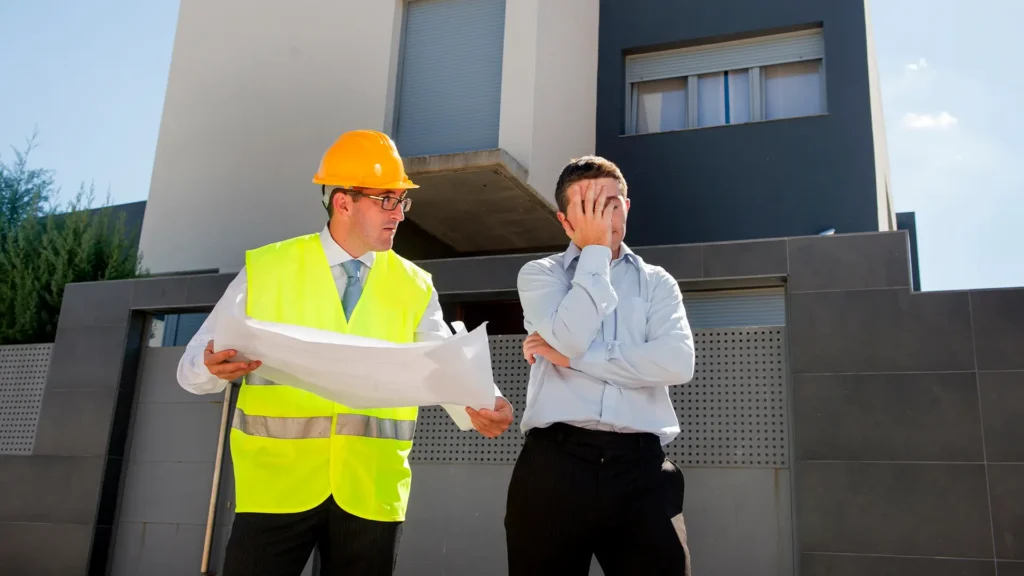
First time home builders often get caught up in aesthetics: forgetting that a home must also be functional. Oversized kitchens, poor window placement, or awkward room layouts can diminish daily comfort.
A balanced design approach ensures that every square foot serves a purpose. Consider future needs, family growth, and resale potential. Ask your architect to integrate energy efficient solutions and smart home features early in the design phase.
When following your building a house checklist, ensure that:
- Natural light and ventilation are prioritised
- Electrical outlets and storage areas are strategically placed
- Traffic flow between rooms feels natural and spacious
- Long term maintenance materials are chosen wisely
Remember that true luxury lies in comfort, not extravagance. A well thought out design can transform an ordinary structure into a timeless living space.
Skipping Regular Site Inspections
Trust is vital when working with contractors, but that doesn’t mean you should disappear once construction begins. Visiting the site frequently helps you identify issues early and ensures work aligns with your expectations.
Some first time home builder tips highlight the importance of keeping a construction log; documenting progress, materials used, and communication notes. This record can save time and stress if disputes arise.
Ignoring site visits often leads to overlooked details such as improper insulation, misplaced walls, or poor finishing. Regular walkthroughs allow you to ask questions and confirm that all safety and quality standards are met.
Think of site inspections as checkpoints in your new construction guidance journey. They keep everyone accountable and ensure your investment is being built as envisioned.
Poor Communication and Documentation
Miscommunication can cost both time and money. Builders, architects, and subcontractors all need clear direction. Vague instructions can lead to expensive rework or dissatisfaction with the final result.
Always maintain written communication. Every change: no matter how small, should be documented in contracts or emails. Clear communication is one of the most underrated home building planning advice elements.
Encourage transparency among all parties involved. Set regular meetings or updates to stay informed on progress and potential adjustments. When everyone understands expectations, costly errors and misunderstandings are minimised.
Forgetting the Future
While it’s easy to design your home for current needs, great builders think ahead. Consider how your lifestyle might change in five or ten years. Whether it’s expanding your family or adapting for remote work, flexibility is key.
Future proofing your home means integrating features that allow for easy upgrades later. Electrical systems, energy efficiency, and structural support for extensions are worth discussing early.
Incorporating sustainability into your design not only saves on long term costs but also enhances resale value. The most valuable first time home builder tips always emphasise foresight: planning beyond the immediate moment.
Building Smart, Living Better
Constructing your first home should be a rewarding experience, not a stressful one. By staying informed and organised, you can prevent the most common home building mistakes to avoid and ensure your project runs smoothly.
The essence of good new construction guidance lies in proactive planning, transparent communication, and realistic budgeting. Every detail, from your building a house checklist to final inspections, plays a role in shaping the outcome.
Ultimately, the most successful homeowners approach construction as a long term journey rather than a quick achievement. When you invest time in research and planning, you’re not just building a house; you’re creating a legacy of comfort, safety, and style for years to come.