
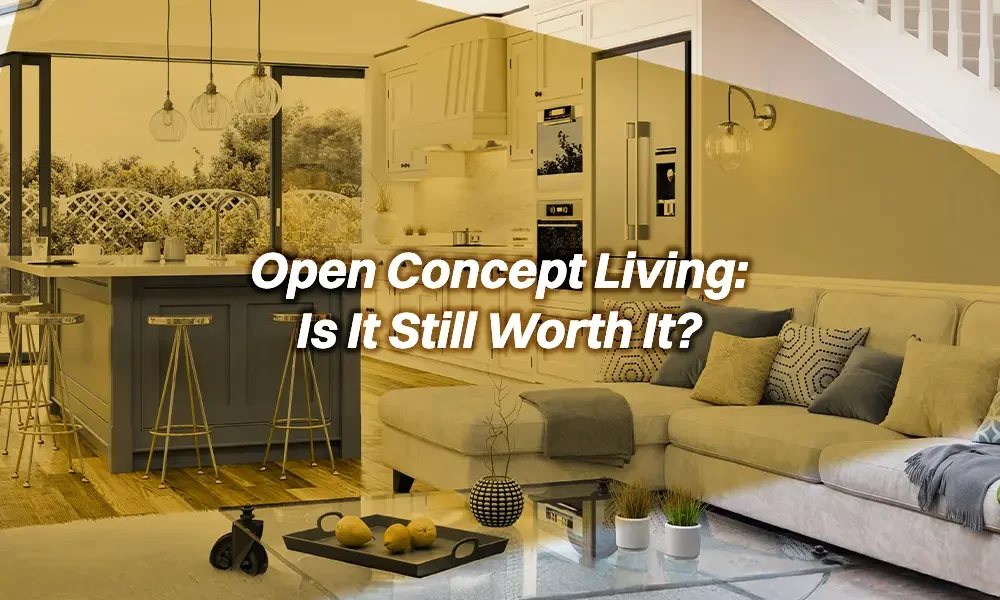
In recent years, the open concept home layout has been the go to choice for modern homes. The allure of expansive living spaces, unobstructed sightlines, and a flow between rooms has captivated homeowners. However, as design trends evolve and lifestyles shift, the question arises: Is open concept living still worth it? This blog post explores the pros and cons of open floor plans, delving into modern home design trends and interior space planning ideas that could help you decide if this layout is still the best fit for you.
Understanding Open Concept Homes
An open concept home layout combines multiple living spaces; such as the kitchen, dining area, and living room into a single, seamless space. The aim is to create a sense of openness and connection, with no walls or partitions dividing the areas. This design approach has been increasingly popular over the last few decades, especially in modern home design trends, as it promotes both visual appeal and functionality. But as we dive deeper into the implications of open floor plans, it’s important to weigh both the advantages and drawbacks.
One of the main draws of open concept living is the way it enhances interaction among family members. Without barriers, cooking, entertaining, and spending time together become much more interactive. This layout is particularly great for social gatherings, where people can move freely between spaces. However, with every trend, there are also trade offs, and it’s essential to understand how an open concept home layout could impact the way you live and use your space.
The Pros of Open Concept Homes
Increased Space and Flow
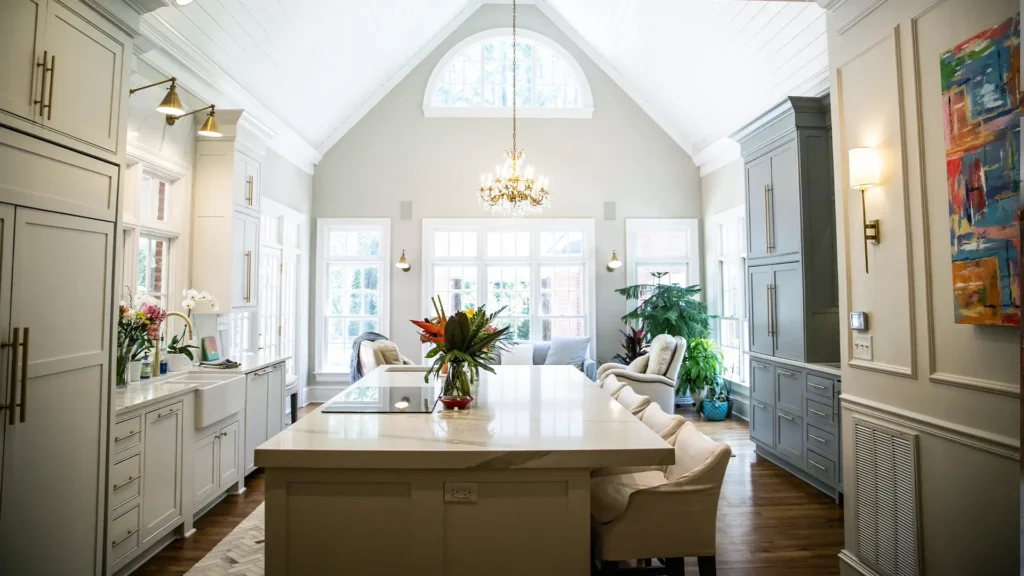
One of the most apparent advantages of an open floor plan is the sense of space it creates. The lack of walls makes rooms feel larger, more open, and airy. This is particularly beneficial in smaller homes or apartments where every square foot counts. A seamless transition from the kitchen to the living area or dining space encourages a natural flow, which is perfect for families who spend time together or individuals who enjoy hosting guests.
Additionally, an open concept design can help maximize the use of space. With proper interior space planning, rooms can serve multiple purposes. For instance, the kitchen and dining room can function as the heart of the home, while the living area can also serve as a space for work or relaxation, depending on the family’s needs.
Better Natural Light and Ventilation
Another significant benefit of open concept living is the improved flow of natural light. With fewer walls, light from windows can travel deeper into the interior, brightening up the home and creating a warm, welcoming atmosphere. This is particularly desirable in homes with limited window access or darker spaces. Moreover, better ventilation can be achieved since air moves freely across the open spaces, reducing the stuffiness often associated with closed off rooms.
Social Connection and Inclusivity
An open concept home layout fosters a stronger connection between family members and guests. The absence of walls means no one is left isolated in a separate room. Whether you’re cooking in the kitchen or lounging in the living room, it’s easy to maintain conversation and stay engaged with others. This inclusivity is particularly valuable in homes where entertaining is a frequent activity or where children need constant supervision while playing.
The Cons of Open Concept Homes
Lack of Privacy and Noise Control
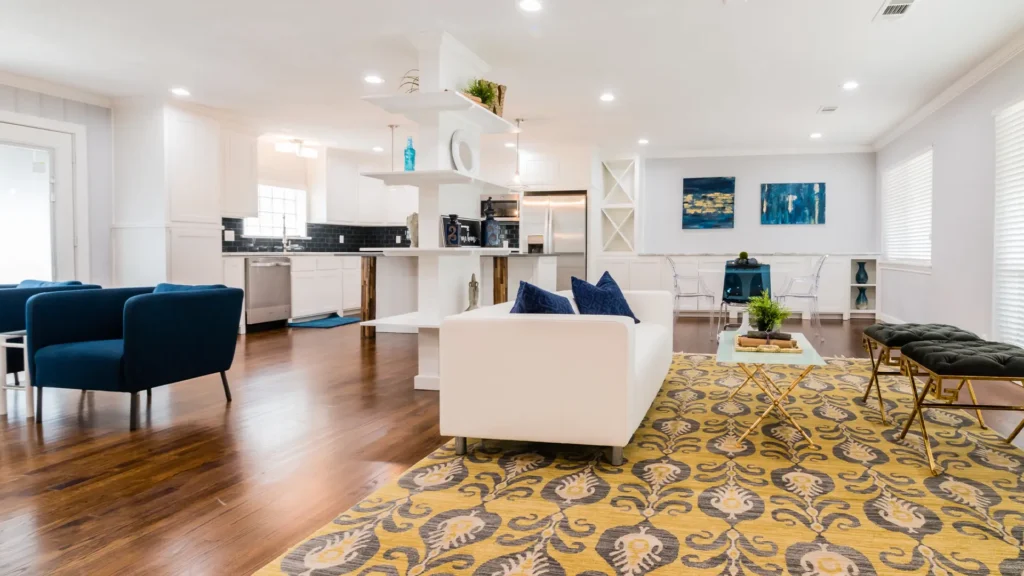
One of the most significant drawbacks of open concept living is the lack of privacy. With fewer walls to divide spaces, it can be challenging to find a quiet spot for reading, working, or even taking a phone call. For families with children or roommates, noise can become a constant issue, with sounds from one area easily traveling throughout the home. Cooking smells, TV noise, and general household sounds can quickly fill the space, making it harder to escape the hustle and bustle of daily life.
Difficulty in Interior Design
While an open floor plan offers endless design possibilities, it can also present challenges in creating distinct zones for different activities. When rooms flow seamlessly into one another, it becomes harder to establish clear areas for specific functions, like dining or lounging. Without the use of walls, it can also be tricky to create visual boundaries, making the space feel like one large, undifferentiated room. Interior space planning becomes crucial to ensure that the layout doesn’t feel too chaotic or overwhelming.
Increased Heating and Cooling Costs
Another downside to open concept homes is that they may require more energy to heat and cool effectively. In larger, open spaces, it can be difficult to maintain a consistent temperature throughout the entire home. Rooms that are open to one another may result in areas that are either too hot or too cold, making it necessary to adjust the thermostat more frequently. This can increase energy consumption and potentially drive up your utility bills.
Interior Space Planning for Open Concept Layouts
Effective interior space planning is essential when designing an open concept home. To maximize functionality, it’s crucial to divide spaces with furniture, rugs, and décor. Strategic placement of sofas, tables, and lighting can define different areas within the larger space without the need for physical walls. You can create zones for cooking, dining, and lounging, while also maintaining a sense of flow and cohesion.
Using color and texture to create contrast and delineate areas can also help prevent the space from feeling too monotonous. For example, lighter tones can be used for the kitchen and dining areas, while richer, darker hues can define the living area. These subtle design tricks can go a long way in ensuring that the space feels balanced and organized, despite the absence of physical divisions.
The Future of Open Concept Homes
As modern home design trends continue to evolve, it’s clear that open concept living isn’t going anywhere at least not entirely. While some homeowners are opting for a more traditional layout with separate rooms for specific activities, open concept homes remain popular for their ability to create a sense of spaciousness, light, and connection.
Interior space planning will continue to play a vital role in the success of these layouts. With more advanced technologies and eco friendly design ideas, the challenges associated with noise control, privacy, and temperature regulation can be mitigated. Homeowners looking to build or renovate with an open concept layout will need to incorporate thoughtful design choices and consider their individual needs to make the space work for them.
Is an Open Concept Layout Right for You?
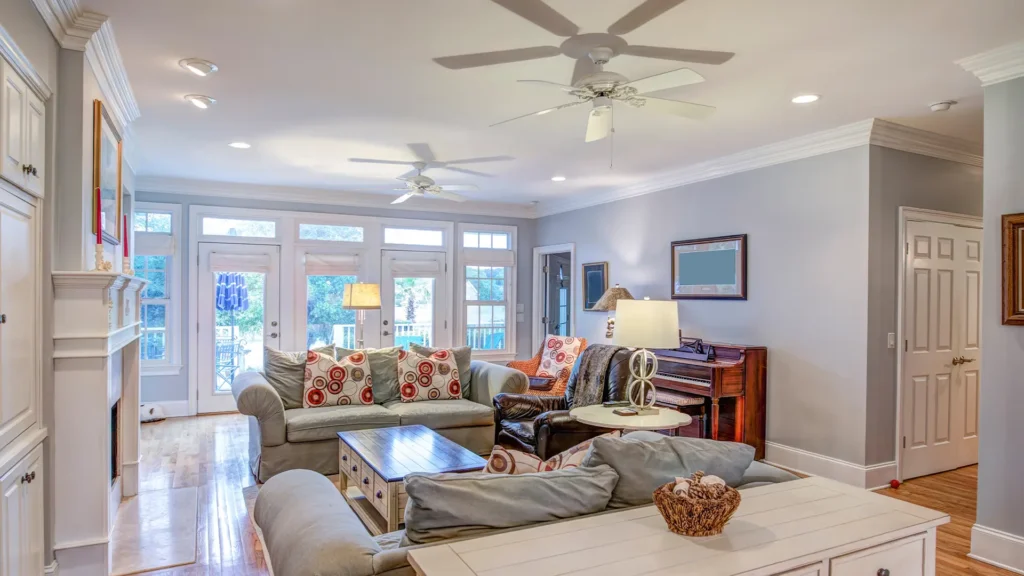
When deciding whether to embrace the open concept home layout, it’s important to weigh the pros and cons carefully. The decision ultimately comes down to your lifestyle, family dynamics, and design preferences. While open concept homes are ideal for socializing, maximizing light, and creating spacious, multifunctional areas, they also come with their fair share of challenges, including lack of privacy, noise issues, and higher energy costs.
Ultimately, the choice is yours. If you value an expansive, connected space for entertaining and family interaction, an open concept layout may be the perfect fit. However, if privacy, noise control, and individual room boundaries are a priority for you, it might be worth exploring alternative layouts that provide a balance of openness and division. With the right interior space planning and design approach, open concept living can continue to thrive in the modern home. The key is to make sure it fits your personal preferences and lifestyle needs.